Now for the re-creation of FitOldDog?
Hi folks, welcome!

Can’t wait to get back to Mirror Lake.
As an experiment of one, that being an aging Ironman-distance triathlete recovering from endovascular aortic surgery (again), whilst resuming training for the Lake Placid Ironman following my surgery (again), I’m learning a lot about what I can and cannot do.
Pacing your recovery is a critical skill!
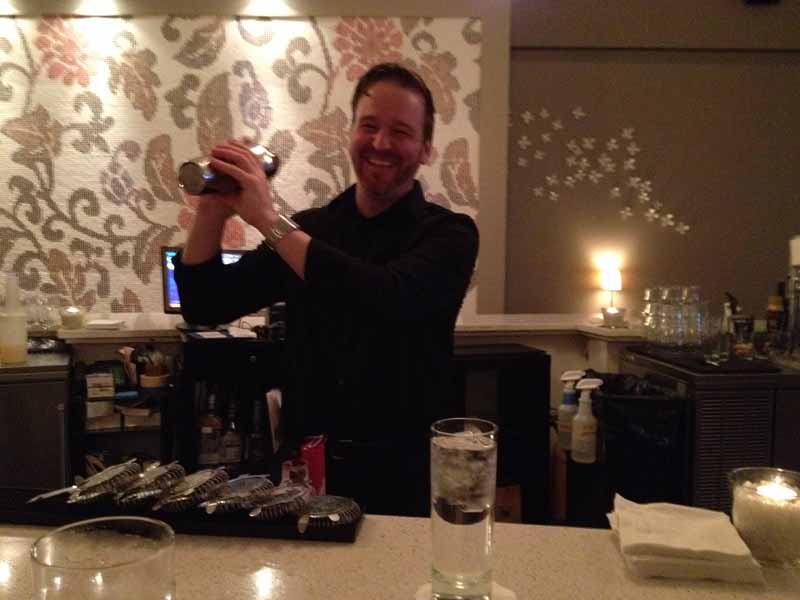
Good technique is essential, but conditioning comes first - shaken not stirred - excellent bartender, Joshua. Click image for link to great restaurant.
I discovered my abdominal aortic aneurysm, a big one (6.9 cm diameter), as a result of (a) noticing a mild abdominal pulse in January 2010, and (b) recognizing weird symptoms that cost me a Kona slot in the Lake Placid Ironman in July of that year. I’m lucky that race didn’t cost me my life.
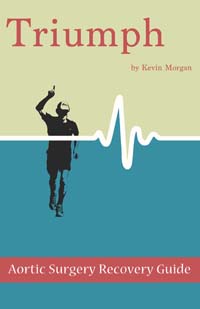
This event led to (a) the creation of FitOldDog, and my Surgery Recovery Guide, (b) my decision to leave my scientific career as a veterinary pathologist and researcher, which I had enjoyed for about 40 years, and (c) my recent work to build a business, Old Dogs in Training LLC, around the process of post-surgical athletic recovery, including mental recovery. It changed my life, and strangely for the better - it was time for me to move on.
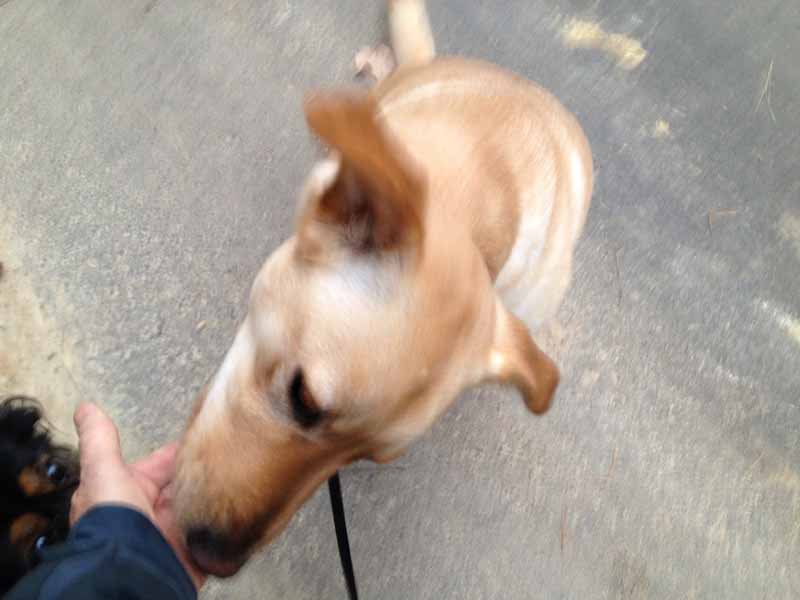
When training a dog, in this case Willbe, or training yourself, a treat from time to time helps a lot, but you have to work for it.
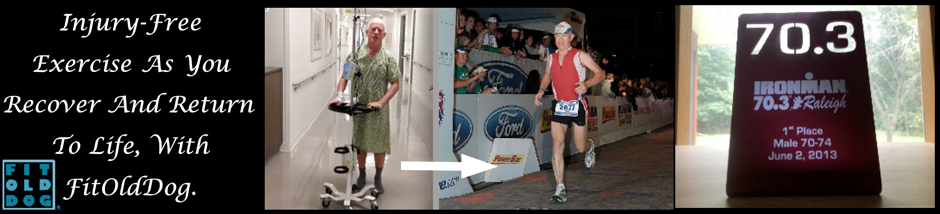
I then received an abdominal aortic aneurysm stent graft via minimally invasive surgery, and was up and about within a week or so, and training within a month or so.
No big deal, right?
Wrong - looking back I can see that it took me as much as two years to recover totally from the physical and mental toll of my first aortic surgery.
Ipso facto, my race time in Lake Placid 2011 was three hours slower than in 2010 - I was still like a limp noodle and I was cautious.
As the first person on the planet to complete an Ironman race with such a stent graft, I didn’t want to kill myself by displacing the stent.
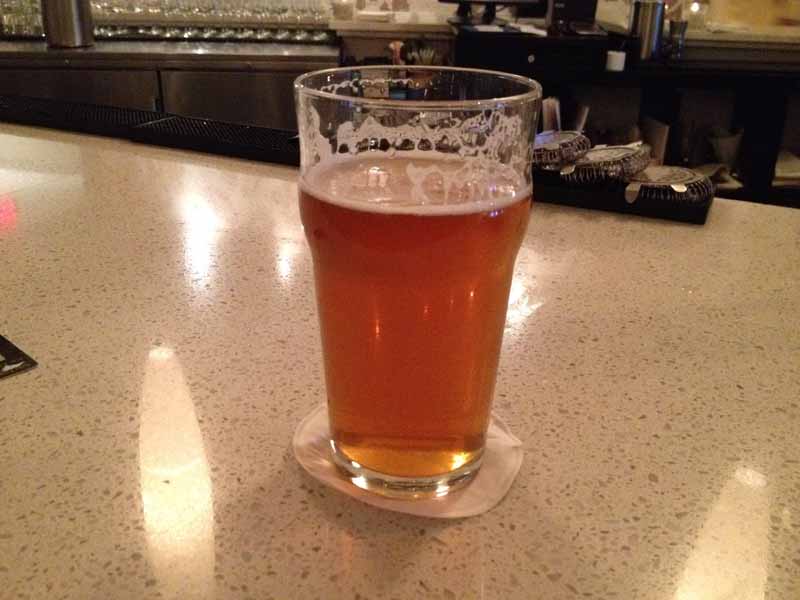
Recovery drink, an essential part of training for the distance athlete, to be taken in moderation and when well earned.
Now I have a wonderful opportunity: to repeat the experience, but with much more understanding of the process. This time I know who to talk to, where to seek advice I trust, and I can read my body much more effectively. Having displaced my stent graft in the fall of 2013, and undergone corrective surgery in the Cleveland Clinic in mid-December, 2013, I am now 7 weeks post surgery, and ramping up my training.
If you so desire, you can follow this journey in real time via my Training Diary.
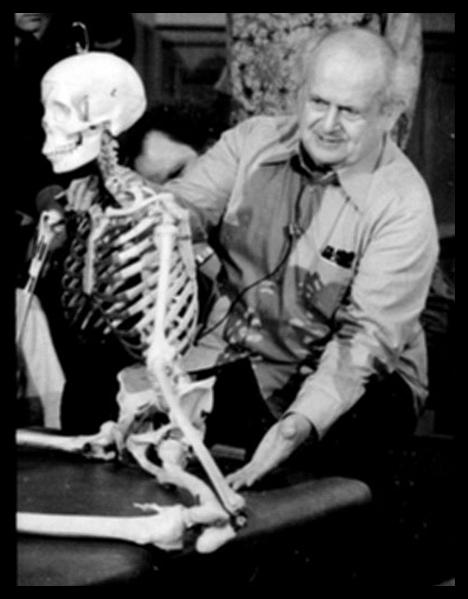
Moshe Feldenkrais developed the Feldenkrais method, which FitOldDog really admires because it is so effective. Give Feldenkrais a try - you won’t regret it.
I’ve come to realize the following:
- You can seek advice from others, but only you know how you feel and how hard it is safe to push yourself during training with your particular health condition - body awareness skill could make or break your recovery, so beware.
- Your base training level, including strengths and weaknesses, will make themselves evident, so respect them or risk injury - for instance, I was a water-polo player in my youth, and I rode my bike a lot, but I never ran, so my swim is coming back fine, the bike is becoming solid, but regaining my running strength is extremely challenging.
- There is no coach on the planet, of whom I am aware, who can guide me through the process of safe Ironman training with a Cook Zenith Stent Graft with Australian Extension.
Isn’t life interesting? I love it!
-k @FitOldDog
Important Note: These posts do not provide medical advice. You should always consult your physician before undertaking or significantly modifying an exercise program.
Copyright © 2010 Kevin T. Morgan aka FitOldDog, Old Dogs in Training, LLC.
Post Footer automatically generated by wp-posturl plugin for wordpress.