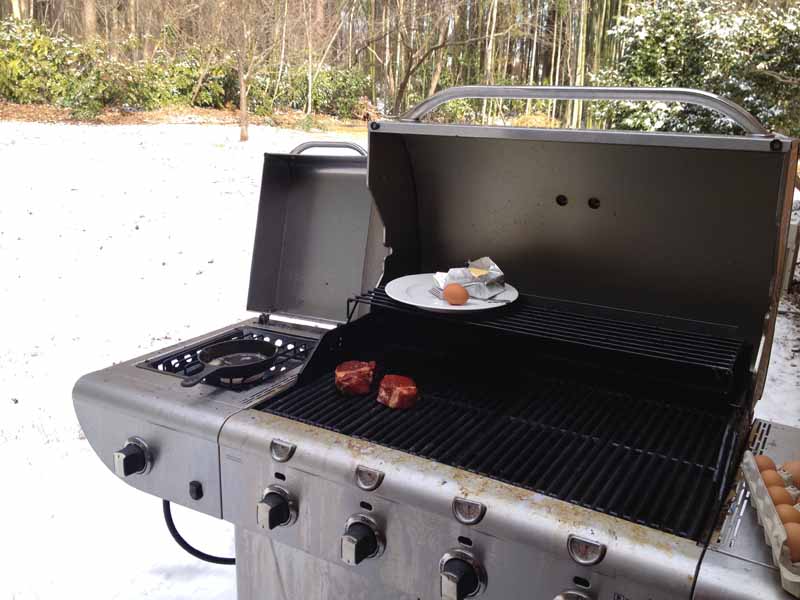
Paleo diet - great for certain metabolic weak links. Steak and eggs, with Bok Choi sauteed in pasture butter, a little soy sauce and garlic - YUM! And cooked outside in a rare North Carolina blanket of snow. BEAUTIFUL! Context is important.
Hi folks, good to have you back (or here for the first time).
How hard is too hard to push yourself during training and races?
This can be a life or death question, of which I was reminded by a recent publication, kindly forwarded to me by Peter Reaburn, of Master’s Athlete Fame (thanks Peter).
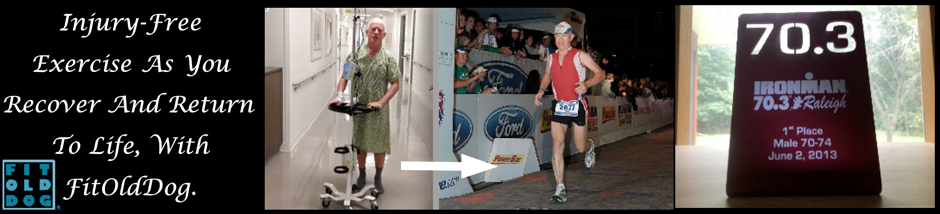
If you decide to take on endurance sports as you age, following a major health challenge, or as in my case, serious surgery, you would be well advised to try to find your weakest link and work with it. Having an abdominal aortic aneurysm, as an older Ironman distance triathlete, has caused me to reflect on this question in depth, and I’ve come to some interesting conclusions:
Our weakest links are (1) mental, (2) metabolic, and (3) guarding.
Weak mental links
These come as two challenges, (1) fear and (2) willingness to research one’s condition and adapt one’s life to fit, accordingly.
Fear is easy to understand, and is best transcended through meditation.
But researching one’s condition? I find that many people are content to put their life in the hands of a physician. Creating an almost to-god-like relationship. This is not wise if you wish to live a full life. Physicians, often critical for our recovery from disease, are but one source of information when it comes to deciding how to live. You have to do your own benefit/risk calculation, which I discussed in some detail previously. Finding your own weak links through appropriate research is essential - this includes family history, personal injury and health record, metabolic abnormalities, and so forth.
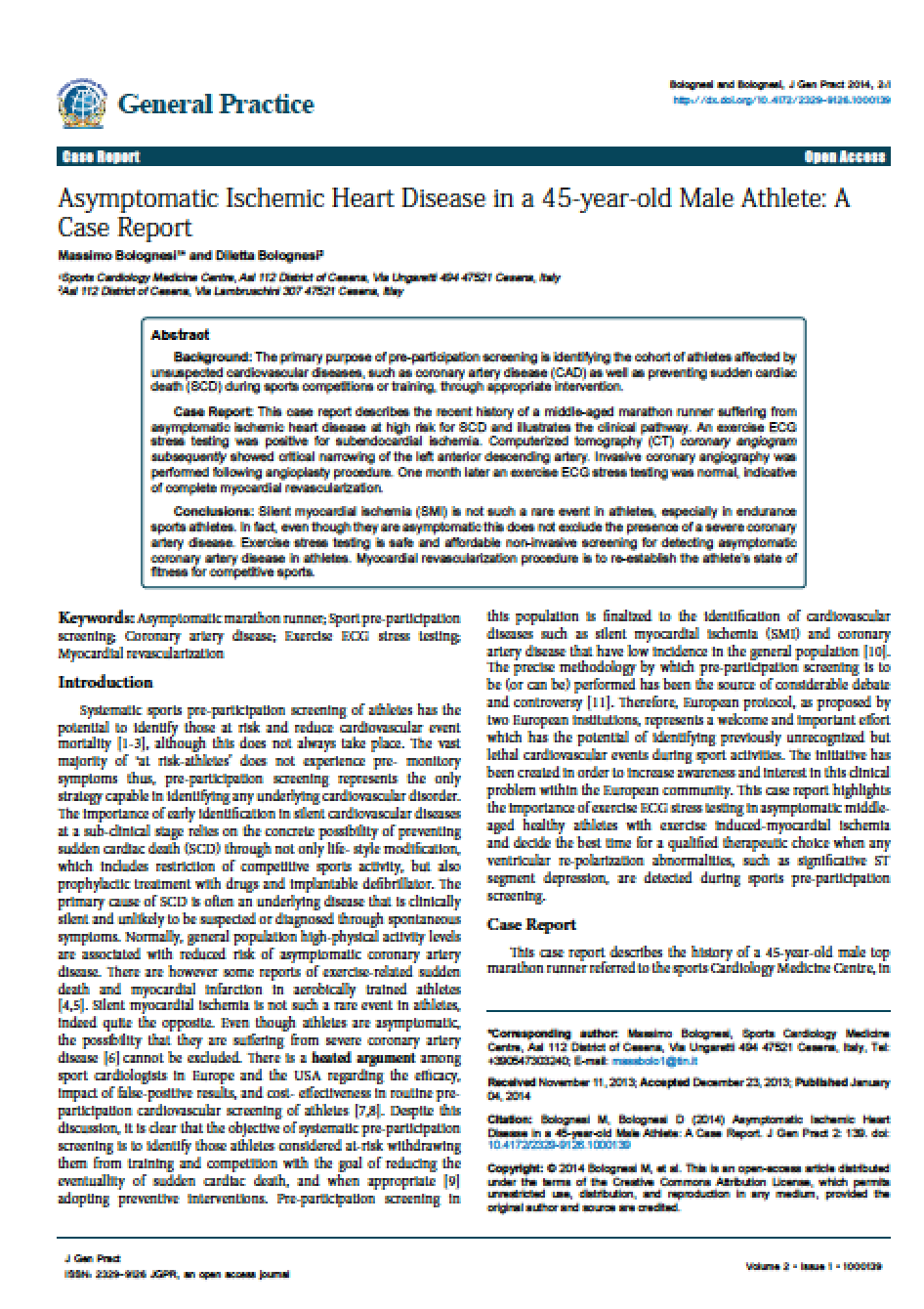
Article worth reading, and kindly provided by Peter Reaburn.
Before undertaking training for my first full Ironman race in my 60s, I went for an echocardiographic stress test, on the advice of my sports physician.
I’d probably have a cardiac calcification score done now, as well, if I was just starting out in endurance sports. Better safe than sorry!
Weak metabolic links:
These are usually found during a routine medical examination, or during follow up for distressing symptoms. I found two of mine purely by chance as a result of using my own blood for research in my lab in Switzerland in my 30s (severe genetic hyperlipidemia) and odd symptoms in an Ironman race in my late 60s (abdominal aortic aneurysm, indicating genetically-based metabolic connective tissue disease). I was lucky, both times!

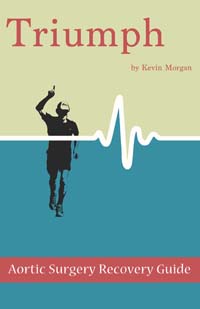
Interesting book containing very valuable ideas.
I recommend that you look for yours before they find you, but it’s not so easy - the real keys are (a) body awareness training, and (b) checking out those weird things that happen (but fate tends to knock very gently, so listen carefully). A friend of mine was alerted to his lung cancer by the fact that his finger nails started to grow in an odd fashion.
Watch out for weird things!
Guarding: Old injuries can dog you for years in the form of chronic psychosomatic tension, leading to self-inflicted injuries. Just read my story, “Feldenkrais fixed my knee, where everyone else failed.“
Conclusions:
- Have those health screens.
- Understand your body.
- Listen to your health professionals, including your coach, and if you have a coach make sure she/he really understands your health challenges or find another coach.
I’ll push, but never as hard as Rick - got Rupert (my stent) to consider. Note that I did not say my age to consider! Click image for link to video.
- but also make sure they listen to you.
- Check your pulse and blood pressure regularly and follow up on anything odd.
- Be your own primary physician, and
- have fun whatever you do. Life is too brief to waste.
So! How hard should you push?
Only you can decide!
-k @FitOldDog
PS Based on 20:20 hindsight, I guess I should add aneurysm screening to your list. Nearly cost me my life in the 2010 Lake Placid Ironman, and again in a couple of half Ironman races in 2013.
Important Note: These posts do not provide medical advice. You should always consult your physician before undertaking or significantly modifying an exercise program.
Copyright © 2010 Kevin T. Morgan aka FitOldDog, Old Dogs in Training, LLC.
Post Footer automatically generated by wp-posturl plugin for wordpress.