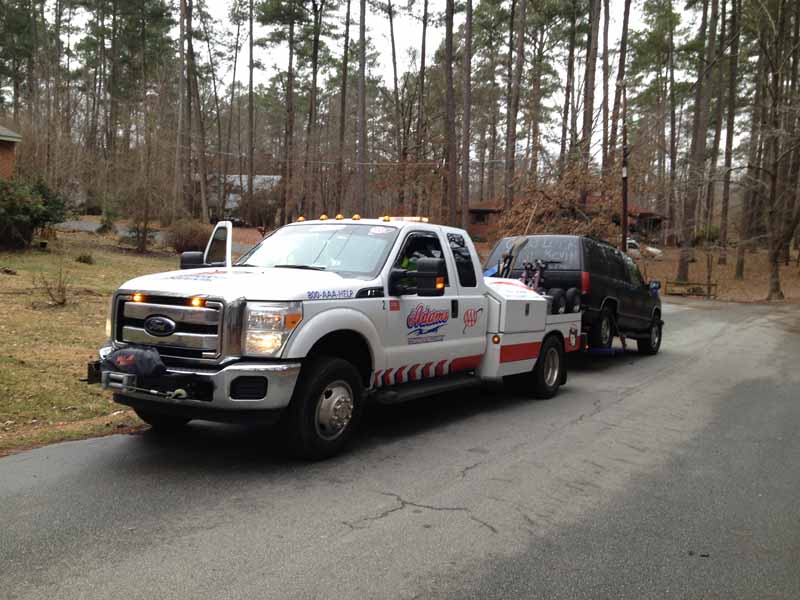
Lost my brakes - hose broke, but I was lucky. I’m ready for a rest day, as I feel like my old Chevy truck - towed by a Ford! Who would believe it?
Countdown to Lake Placid Ironman
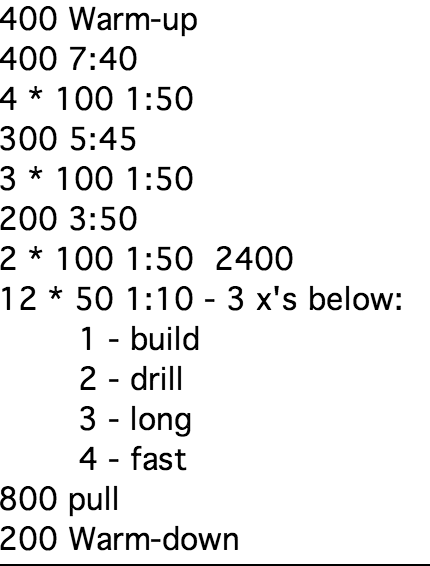
Workouts: Solid swim.
 When training for an Ironman-distance triathlon, whether you are young or old, recovering from major surgery, or in the prime of life, there are a number of things that you need to prepare, or ‘condition,’ these being:
- Physical endurance - building mitochondrial mass for efficient energy production.
- Mental endurance - this will stop you dead in your tracks if you’re not ready.
- Nutrition, hydration and electrolyte balance - a tricky one, and a subject of much debate.
- Physical strength - has to be carefully balanced against endurance to avoid stiffness.
- Physical skill - each leg of the race has it’s own skill set.
- Pace - if you get this wrong you will either (1) not do your best, or (2) be found vomiting on the side of the road by us old guys as we cruise on by in the dark.
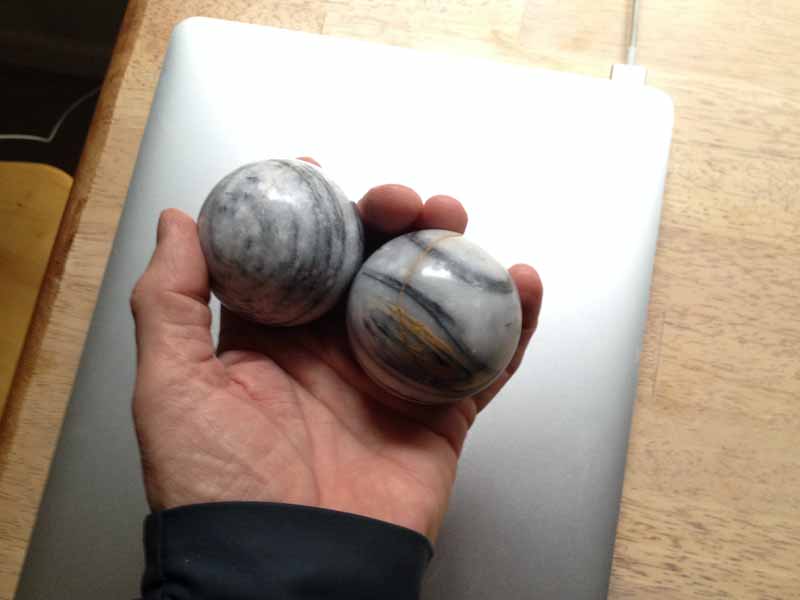
We gave some bamboo to this nice Chinese guy, and he insisted on presenting us with these ‘relaxation balls,’ which you rotate around in your hand - you can manage three with practice.
- Attitude - there is no room for ego in this game, so take the sport seriously but not yourself. It’s a sport, not a life-or-death situation (though some do die!).
- Relaxation - this, plus sleep, are key skills for long-term success, but the relaxation part takes balls.
I consider my swim workouts to be my major cardiovascular and mental conditioning training, until my legs are strong enough to transfer these tasks to the bike and run.
The balance between strength and endurance varies from one muscle group to another.
Body awareness is key - consider Feldenkrais training.
Workout: Rick cranked the swim up a notch (thought it felt long today), to 4,000 yards. He does that!
That’s enough for today, legs feel shot.
Important Note: These posts do not provide medical advice. You should always consult your physician before undertaking or significantly modifying an exercise program.
Copyright © 2010 Kevin T. Morgan aka FitOldDog, Old Dogs in Training, LLC.
Post Footer automatically generated by wp-posturl plugin for wordpress.







I continue to follow your workouts with interest. A question about the swimming - you comment that your ‘legs feel shot’. I didn’t see kicking drills, so I wondered how much do you use your legs in the crawl? I think mine are still ‘along for the ride’.
I signed up for an indoor cycling class, 2 hours, twice a week. I haven’t bought a bike trainer yet, just pulled out Bob’s old one to start.
Hi Pauline, legs in the swim, hardly at all. Minimum to keep feet high and body rhythm effective. The goal is to minimize leg-induced drag. Legs shot from bringing my run back. Enjoy your trainer. -kevin
Re: #1, what is ‘mitochondrial mass’?
Ah! The endobiotic theory of life - I’ll answer your question as a blog post soon. -kevin
I’m curious why you don’t use the legs to kick/propel you during the swim?
In long distance swims, the contribution of your legs to propulsion is minimal at best (different to sprinting), but the ability of your legs to induce drag is significant. Furthermore, in triathlons it is a good thing to save your legs for the bike and run. That’s it! Time Deb came home from work, food’s ready. -kevin
Relaxation balls. Captain Queeg used them! (Caine Mutiny)
How about that! -k